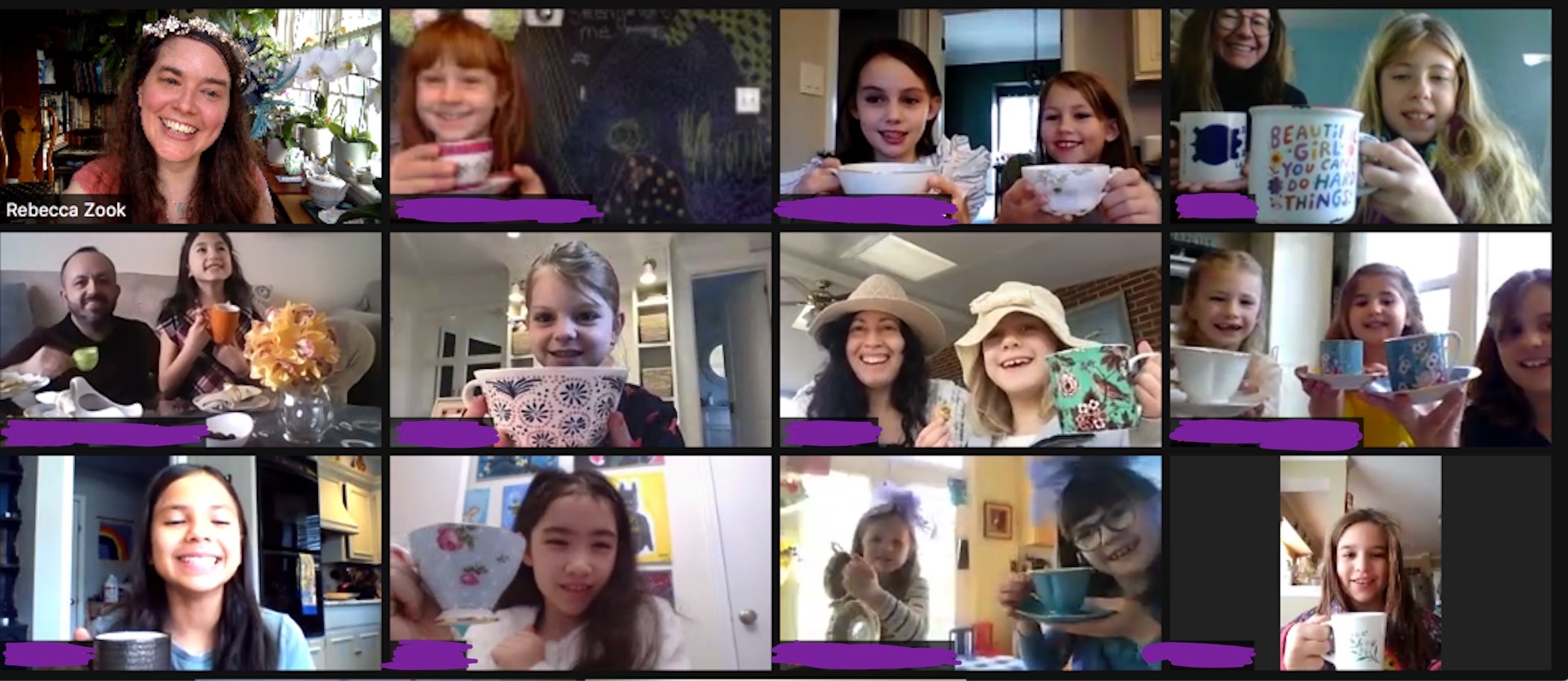
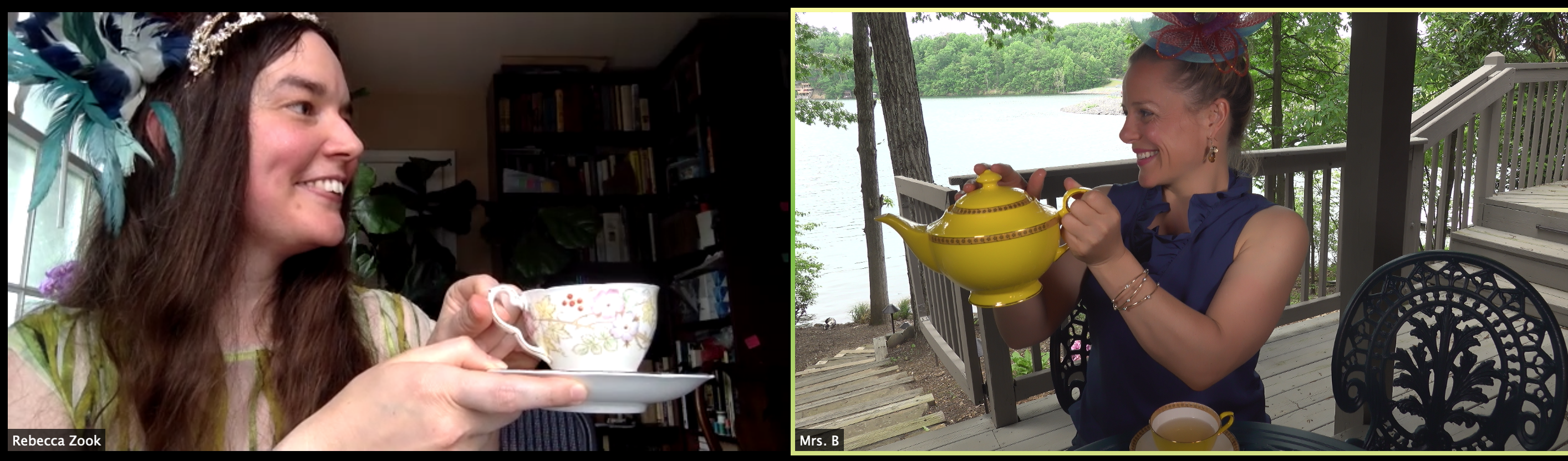
When this fifth grade student first came to me, her mom told me, “My daughter is joyful about everything in her life – except for math.” This student was so anxious and uncertain about math that she refused to do her homework unless she was literally sitting next to her mom. She would tell her mom, “math doesn’t like me.”
This put a lot of pressure and stress on her mom, who was doing everything she could to try to help her daughter succeed at math, but she felt like she she was failing her daughter and being a “bad mother” because she couldn’t find a solution. The mom felt anxious picking her daughter up from school because she wasn’t sure whether or not her daughter would have a math temper tantrum. And even though when her daughter would express her feelings of math inadequacy, she was really just asking for help, it was so stressful for the mom that the mom sometimes would react with frustration just because she was so worn down from the seemingly endless math stress.
I started working with this student towards the end of her fifth grade school year. Because this student loves to dance and sing and has a great passion for musical theater, I started teaching her math songs to help her remember different concepts and formulas. We also really focused on filling in the gaps and building a strong foundation.
Midway through the summer, this student started spontaneously singing her math problems! She would make up these little operas about all the different math operations she was doing – as well as songs just about math concepts in general, with sophisticated lyrics that showed she really got the concepts. She would even come to some of her sessions wearing her purple tutu. I was overjoyed to see her expressing herself so confidently and creatively with math, even with her outfits. At the same time, her mom and I also weren’t yet sure how this would transfer to the classroom.
Her first day back at school, her first middle school math class of 6th grade, the teacher asked a question, and my student just couldn’t help herself – she shouted out, “It’s because of the commutative property!” It turned out that no one else in her class – even the students she thought of as being very strong mathematicians – had even heard of the commutative property before! This was a huge boost to my student’s confidence and enjoyment!

Since her first day back at school as a sixth grader, she has consistently made 90s or 100s on every single math test and quiz she’s taken – except for one! On this test, she got an 88%, and what is so interesting is that this absolutely didn’t defeat her.
When she talked about it with her mom, the focus was just about making sure to get the test back from the teacher, so we could go over what she didn’t understand in our tutoring sessions and learn from it. In some ways this was an even bigger victory than the tests where she scored higher, because it showed how much her mindset had shifted. We could see her resilience in how she dealt with a lower grade, and how her attitude had shifted to “I’ll get it, because I know I can get it.”
Just as important, the mom’s experience has shifted dramatically now that she isn’t the one who is helping her daughter with math. She shared with me that when she comes home from work, it’s easy for her energy to be fully engaged with her daughter because it isn’t sapped by worrying about helping her with her math homework right away. She can just decompress and regroup and be energized and be a good parent. And her daughter has become so much more independent that the mom can be reading a book in another room while her daughter is doing her homework on her own!
How did we create this totally awesome math transformation? Let me tell you all about it!

1. Positive, relaxed environment. We fostered an environment of trust and camaraderie. Our work together is committed and also relaxed; this student is totally free to make mistakes, ask questions, or go over whatever it is she needs to go over, no matter what.
2. Dealing with math feelings. When this student is overjoyed, anxious, or heartbroken, we deal with it together head-on. There was one session very early on where she (quite understandably) cried because she was so disappointed and frustrated with a recent grade. Instead of squelching this or ending the session, we just talked it out, making a safe space for her to feel, express, and release her frustration and disappointment. Other times she was so happy with what she was learning and accomplishing that she would dance and sing with glee and pride!
3. Consciously fostering a “growth mindset” with math. This student has an awesome “growth mindset” when it comes to her work in musical theater. She will audition over and over again for the same Broadway show, and instead of getting discouraged if she hasn’t gotten a part yet, she is just really excited about the process and the experience.
At the same time, there have been periods where she has really expressed more of a “fixed mindset” about math – “you have it or you don’t,” and being worried that she wasn’t one of the ones who “had it.” We deliberately take time to talk about this together and draw parallels with her work in the theater so that she can pull that already-existing growth mindset into her math.

For example, just this week, this student expressed both concern and hope about a state-wide test she was taking the next day. She wanted to score high enough to be selected for state and national math events, and she was also worried that there would be stuff on the test that she didn’t know because she wasn’t in the “honors level class.”
We discussed at length how it’s like if she went to an audition and they asked her to play the bagpipes and do a Scottish accent, she wouldn’t beat herself up for not already knowing how to do those things – after the audition, she would just ask her teachers and coaches to help her learn, if that’s something she was interested in being able to do. Then she shared her philosophy of auditioning, which is that “it’s not just about the part, it’s about the experience, and if you’re not focused on the part, it will just naturally happen.” We drew direct parallels with what she tells herself during her auditions and what she can tell herself during her math tests.
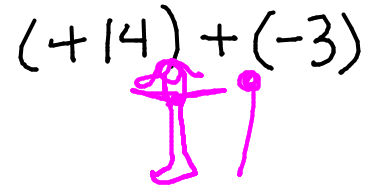
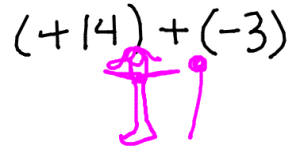
4. Self-expression. In the context of a supportive environment of trust where all of our work is super individualized, this student started to express herself more and more, whether it was singing the math songs she’d learned, making up her own original math songs, singing herself through the math problem she was working on, wearing her purple tutu, or decorating her problems with hot pink drawings (some of which are included in this very blog post)! Seeing her experience math as a vehicle of self-expression is absolutely encouraged, because it’s a huge sign that the student is getting way more comfortable and also really internalizing the material at a deeper level.

5. Support is normalized. Just like this student didn’t stop taking voice lessons or going to dance class once she started getting parts in musicals, math support that fosters her autonomy is now just part of her normal routine. Instead of saying, “Well, now her grades are higher, she’s done with math mentoring,” this student and her parents have recommitted to receiving support so that she can just continue to grow her math abilities and confidence more and more, and that her family can experience an even deeper experience of harmony around math.
I am so, so proud of this student, and how her persistence, vulnerability, and commitment has created such true mastery, confidence, and JOY with her math!
Are you tired of feeling like a bad parent because even though you’re doing everything you can to help your kid with math, it isn’t working?
Does it break your heart to see your own purple-tutu-wearing kid have meltdowns about math?
Are you ready to invest in high-level support?
Just click here to get started with your special application for my one-on-one math tutoring programs.
Once your application is received, we’ll set up a special phone call to get clear if my approach would be a good fit for your child.
I can’t wait to hear from you!
Sending you love,
REBECCA
Related Posts:
Case Study: A Rising 8th grader masters her summer math packet
Case study: A seventh grader goes from “I don’t get it” to getting 100 percents
Case Study: an ADHD student goes from a D to an A
I just can’t keep this a secret any longer